Though home prices in Tokyo occasionally drop temporarily, in general they now remain pretty much out of reach for most sentient humans, which isn’t to say that most sentient humans don’t try to buy a home in Tokyo when it suits their needs. Regardless of the effect of foreigners buying up properties as investments, it’s why Tokyo will always be very expensive while the rest of the country is pretty affordable, if not downright cheap. And by expensive, I don’t necessarily mean the prices themselves, but rather the conditions of owning a home, which include strictly enforced mortgage payments, high property taxes, and other ancillary expenses that come with owning a property, in particular a condo, in the capital.
So anything that makes owning such a property more “affordable,” to use the buzz word that even local media have katakanized, will draw attention. According to a March 20 article in Asahi Shimbun, the big trend right now among developers is constructing condos on rented land, a scheme that’s quite old and used to be more traditional but which more or less fell out of favor due to certain legal realities. Now the market is so hot that such restrictions seem like mere inconveniences, and the response has been very positive, since not having to pay full price for the land can reduce the price of a comparable condo by as much as 10 percent. According to the Asahi, last year 1,502 condo units were newly built and made available for sale on rented land. Previously, the number of new condos built on rented land peaked in 2008 at 1,281 before dropping continually year after year, so 2025’s number is a new record.
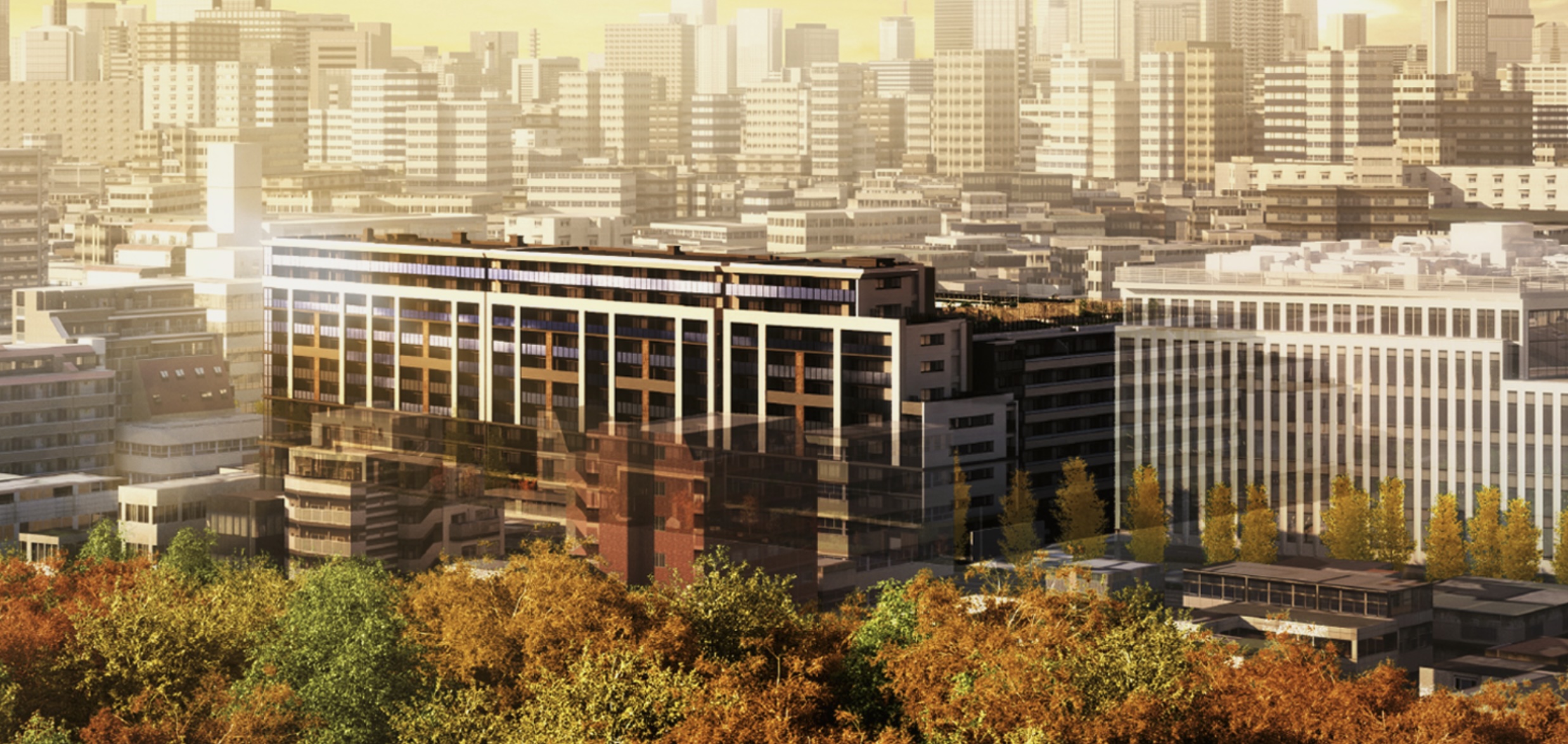
Asahi uses as its prime example a new condo building consisting of 522 units located in the neighborhood of Koishikawa, 12 minutes by foot from Korakuen Station on the Marunouchi subway line. The area is considered exclusive and very desirable. The average price for a 70-square-meter 3LDK apartment is ¥160 million, which is still very high but, as mentioned earlier, about 10 percent cheaper than a similarly sized apartment in the same area. In addition, the first floor of the new building will have a supermarket, a public library, and other common amenities. So far, more than half the people who have expressed interest in buying are couples in their 30s who either have children now or plan to have children.
The catch, if you want to call it that, is that the rented land beneath the building will have a 70-year lease. When the lease expires, the building will be demolished and the land returned to its owner to do what it wants with it. The owners of the units pay land rental fees on top of their management and repair fees, and they also pay into a “demolition fund” that will go toward the destruction of the building when the lease expires. So while the prices of the units themselves are cheaper than comparable condos in the area, the fees are higher. Another incentive is that property taxes are lower, since owners only have to pay taxes on the structure, not the land.
Real estate people say that rental land for condos in central Tokyo benefits buyers, developers, and land owners alike. For the developers, the advantage is obvious: it is less difficult for them to obtain land, whose value continues to increase over time. The reason it’s easier is that many land owners tend to not want to sell while the price is always increasing, so by renting the land they retain its value over time, at least theoretically.
In the case of the new condo cited, the land is owned by a printing company called Kyodo Insatsu, which used to have a factory on the plot. Some years ago, the company redeveloped the land by removing the factory and using a portion of it to house their headquarter offices, and part of the condo plan is to rebuild a new headquarters as part of the development project. Apparently, this sort of scenario is ideal for developers, which are often looking for land to rent, though it’s easier outside of Tokyo than inside. In the past, shrines and temples, which own a lot of land throughout Japan, would rent out tracts of land to developers of condos, especially as the numbers of their traditional followers dwindled, meaning they had less income. Renting out land to developers made up for this income loss.
The main reason why other land owners have been newly attracted to renting to developers is changes in the law with regard to lease length. Up until the mid-90s, leases were set at 50 years, meaning that properties built on such land were less attractive to potential buyers because it was thought that they, or perhaps their offspring, would have to vacate their homes after 50 years. But even for those buyers who didn’t expect to remain in their properties for 50 years, it would become more difficult to sell their homes since any buyers would have to vacate depending on how many years remained on the lease. In any event, the value would decrease sharply over a shorter period of time. By extending the lease period from 50 to 70 years, at least some of this disadvantage is neutralized, and real estate agents believe that there will be no drop-off in value for condos built on 70-year-lease land until at earliest the 20th year. And since condo prices in Tokyo continue to go up, maybe the delay will be longer, depending on future demand. For this reason alone, it’s assumed that more developers now will be trying to rent land for their projects in Tokyo rather than buying land.
Still, how much would you expect to pay over the long run for such a condo? Asahi doesn’t go into detail but we checked real estate portal sites to get a better idea. According to Asahi, each owner of the new condos near Korkuen will pay ¥10-20,000 a month for land rental as well as monthly demolition fees of between ¥5,000 and ¥8,000. The normal management fees for condos in that area run between ¥10,000 and ¥15,000 a month, while the long-term repair fees are ¥10-20,000 a month. All of these fees, of course, are in addition to monthly mortgage payments. Right now, at 0.5 percent interest on a 35-year loan, the monthly mortgage payment would be at least ¥260,000, so with the fees, the minimum you would pay is ¥300,000 a month. Is it worth it for you?
 Cat Foreheads & Rabbit Hutches