Twice bitten
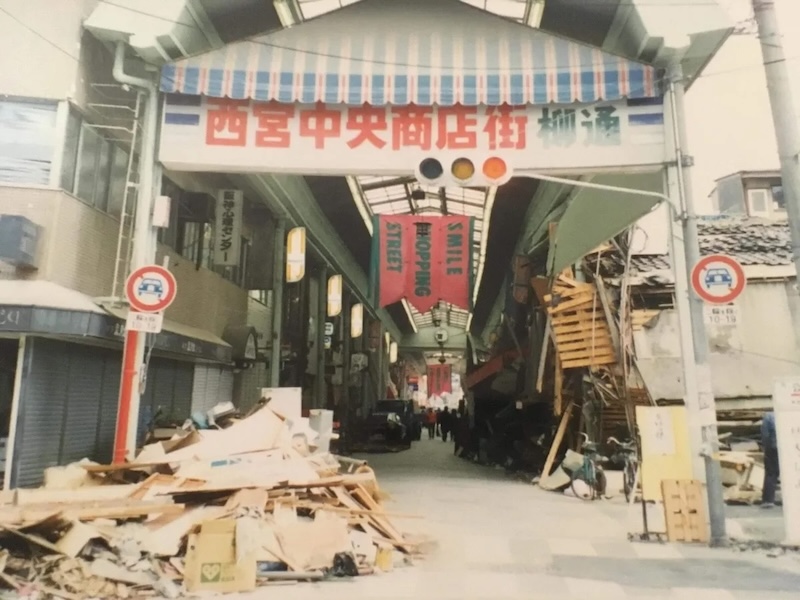
January 17 marked the 31st anniversary of the Hanshin Awaji Earthquake that killed more than 6,000 people and destroyed about 250,000 homes. Every year around this date, various media run stories about the quake and its survivors. Asahi Shimbun on Jan. 16 decided to cover a woman in her 60s from Nishinomiya who survived the quake with her family. However, her house didn’t make it. She and her husband hauled away the wreckage and then built another house on the land where it stood and which they own. Consequently, they were responsible for two mortgages, one for the house that was destroyed and hadn’t been paid off, and one for the new house. Thirty years later they are still paying off both.
Their story isn’t unusual, and isn’t limited to people who lived in the area affected by the Hanshin Awaji Earthquake. Many who lost homes in the Great East Japan Earthquake and Tsunami of March 11, 2011, are also paying off two mortgages. It’s very likely that victims of the quake that hit the Noto Peninsula two years ago are going through something similar; or that they will go through something similar. Several hundred people are still living in temporary housing.
Asahi says the Nishinomiya woman and her husband bought their first home in 1985. Previously they were renting an apartment in the city, but when the woman became pregnant with her second child they decided they needed a bigger place and bought a used house for ¥18 million, taking out a 20-year mortgage to pay for it. Sometime later, the woman gave birth to a third child, their first daughter.
Following the quake in 1995, the authorities classified the house as being uninhabitable, and so the family had to move back into rental housing outside of Nishinomiya. At the time there was no public support system for people who had lost their homes in a disaster to rebuild. Instead, they relied on private charities that collected money from donors all over Japan. Each household affected by the Hanshin quake received about ¥400,000 from the fund. In 1995 only 3 percent of homeowners in Hyogo Prefecture had earthquake insurance. The woman in question did not, so ¥400,000 was all the money they could receive toward a new home.
Eventually, she and her husband built a new house on their land for ¥25 million, for which they took out a new 35-year loan. With ¥10 million still owed for their previous home, their debt was now ¥35 million.
The woman worked in a beauty salon, making an average of ¥80,000 a month, while her husband’s salary was about ¥200,000 a month. Each month’s loan payment was ¥100,000, so they were constantly struggling to make ends meet. To complicate matters further, the woman gave birth to her fourth child, a boy, in 2000.
All four children have now left home, but the loan is still there. The balance is more than ¥5 million, which means the couple still has at least 5 more years of payments. Making their situation even more precarious, the woman is now taking care of her elderly parents full-time, which means her husband will have to put off retirement until he’s 73 at the earliest, they calculate.
Read More Cat Foreheads & Rabbit Hutches