Tall order, too

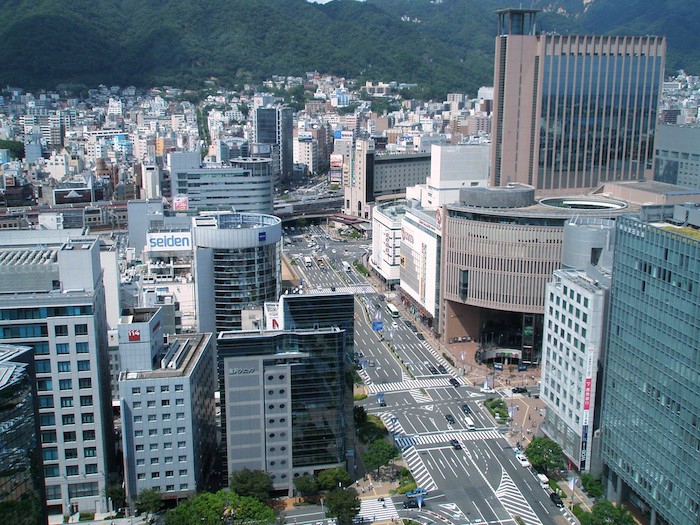
Sannomiya area of Kobe

The major residential developer Sumitomo Fudosan will soon complete construction of two high-rise condominiums in the Sannomiya district of Kobe. The pair of 27-story buildings comprise 690 units, with apartments on the upper floors fetching as much as ¥200 million for their panoramic view of Kobe port. 

Sales have been very good, and according to a recent article in the Asahi Shimbun it’s not just because of the great view and the vanguard amenities. Word has already gotten out that these two towers will be the last high-rise condos built in Kobe, thus increasing their scarcity value, which means that over time their resale value could go up.

But likely that would only be in the short term. The reason there will not be any more “tower mansions” erected in Kobe is that the city has decided to prohibit new housing construction south of JR Sannomiya Station, which is a commercial district. In addition, the city has restricted the capacity rate of any new residential construction around Sannomiya Station to 400 percent, which means no new tall apartment buildings. Essentially, the municipal government is limiting the amount of new housing that can be built in the city center.

Their reason for this restriction is worth scrutinizing. According to Asahi, many cities in Japan are competing with one another to attract new residents with high-rise condominiums in their respective city centers, the idea being that people want to live near their places of work. Osaka, for example, which is next door to Kobe, is redeveloping the Umeda district north of Osaka Station, a commercial area, and one of the prime features of this redevelopment is high-rise condominiums that the city leaders hope will attract well-to-do working people. The mayor of Kobe has said that this kind of policy doesn’t make any sense when a city’s population is decreasing, as Kobe’s is. When you build new housing while the population is going down, you’re basically creating waste for the future. 

Read More
Am I high?

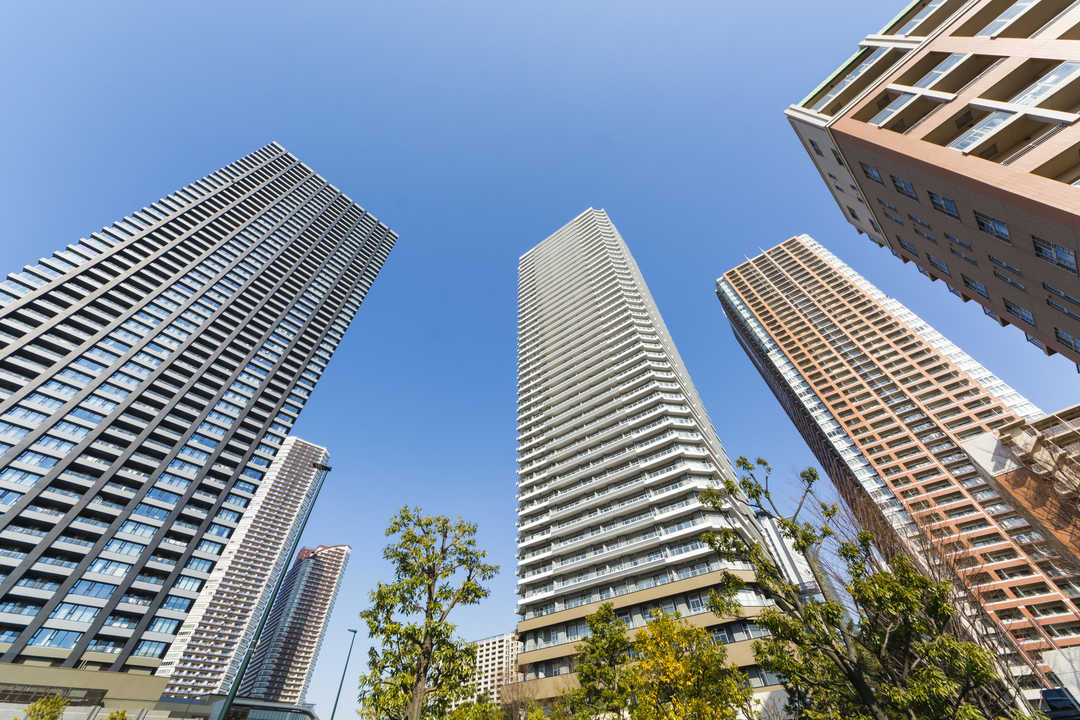
Tower condos in central Kobe

Local governments are starting to realize the disadvantages of tower condos and doing something about it. According to a Jan. 3 article in Tokyo Shimbun, last July the city of Kobe implemented regulations that would limit construction of new condominium complexes in the city center. As mentioned in a previous post, last fall’s kanto area typhoons brought home to the residents of at least one tower condo in Kanagawa Prefecture the truth that high-rises were especially vulnerable to storms in ways residents hadn’t counted on. Western Japan has had more immediate encounters with typhoons in recent years, and that seems to have been part of the reason for Kobe’s new regulations, though the main impetus may be purely economical.

The new law covers land to the south of Sannomiya Station. For the 22 hectares closest to the station, all new residential construction, including single-family houses, has been banned. Then, in the surrounding area, for any plots of land that are 1,000 square meters or more in size, the capacity rate for new residential construction is limited to 400 percent. That means, for instance, if a building with a footprint of 500 square meters is built on these plots, it can be no taller than 8 floors. Tower condos are defined in Japan as being at least 20 floors, and usually they contain at least 100 units. Currently, Kobe has 69 high-rise condos, 24 of which are located in Chuo Ward, which is where Sannomiya Station, the main transport hub, is situated.

One of the reasons for these restrictions is that the city can’t provide all the services required for tower condos. The trend at the moment is for younger people to move as close to city centers as possible so as to be nearer to their jobs. They are willing to pay for such proximity because they understand, having grown up in the suburbs watching their fathers commute two or three hours a day to and from work, what that commute does to their lives. And a lot of these young people have families, but Kobe can’t provide enough schools in the city center. At the moment, in fact, many existing schools in the area have had to provide prefabricated classrooms off-site, because there is no land left in the city center to expand schools or build new ones, and one of the reasons is that there are so many tower condo complexes taking up room. For the same reason, there aren’t enough stores or other commercial facilities and, most significantly, there is a paucity of employment, which means, ironically, that the city center has become a kind of bedroom community for surrounding areas, including Osaka. Read More