Northern exposure
One of the topics being discussed by candidates for the Liberal Democratic Party presidency is foreigners in Japan, and an aspect of that discussion is foreigners buying property. Some years ago the issue came up with regard to security risks, such as land that was near Self-Defense Forces facilities, but now the net is being thrown wider because foreigners with money are buying up land and condominiums for investment purposes and driving up prices, especially in Tokyo where Japanese families are finding themselves priced out of the housing market.
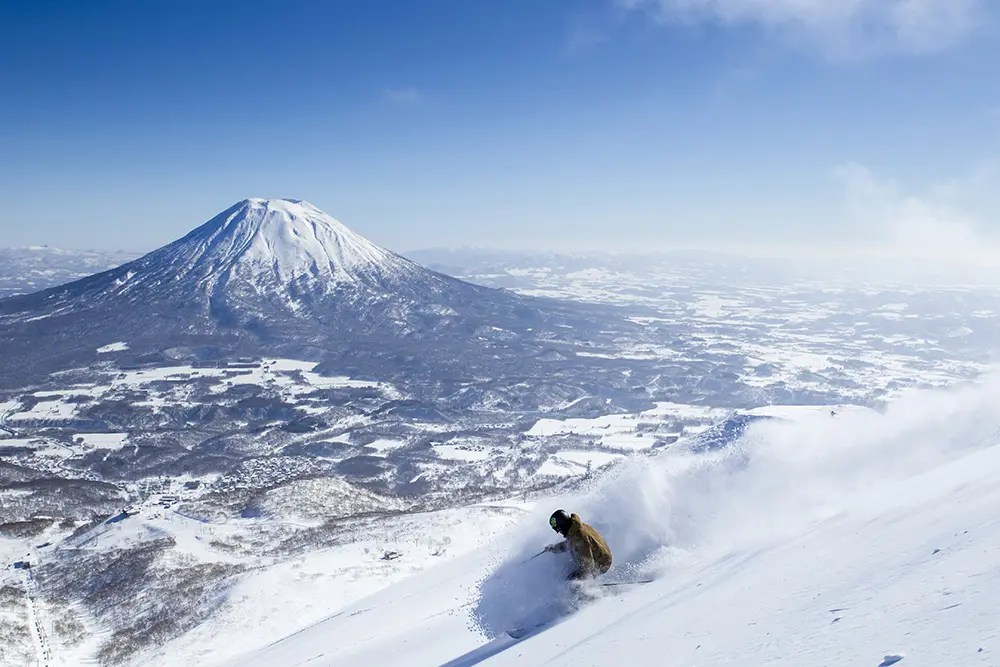
One area that has been popular among foreigners is Niseko in Hokkaido, which is famous for its ski slopes and excellent powder conditions. According to an article that appeared last June in the Asahi Shimbun, if you go to Niseko, you will see a lot of for-sale signs and billboards in English hawking land. The Asahi reporter who went there in May says he saw many construction workers and dump trucks in the area, where there are subdivisions for vacation homes. However, many of the lots in these subdivisions remain vacant, and appear to have been vacant for some time. He found four that were recently put up for public auction due to foreclosure, but not because the owners failed to keep up their loan payments, but rather because they have not kept up with their property tax payments.
According to public records, the four plots were originally sold by a Tokyo realtor in 1988, meaning during the bubble period when everyone thought land prices in Japan would continue increasing forever. The realtor has since gone out of business. Two of the plots are in a vacation home subdivision 2 km south of the main ski area. Land registration records indicate that the subdivision was carved out of a tract of forested land in the 1980s. There is obviously still some demand for second houses, because the reporter saw construction taking place on some plots, but the two in question remain empty. One of the plots is 205 square meters and the market price is ¥3.444 million.
Two other vacant plots originally sold by the Tokyo realtor are located in a mostly forested subdivision 3 km north of the ski area. Though the plots are on prepared ground, they are still empty, and are cheaper than the plots in the south subdivision, ¥492,000 for 385 square meters.
Originally, the plots were bought by someone who lived in Sapporo between 1979 and 1983 as investments, but after the bubble ended there were few buyers, which is why development stalled and many plots remained vacant. However, starting about 20 years ago, the ski area became popular among foreigners, in particular Australians. But the reporter also found several plots that were registered to addresses in China, and still more registered to addresses in local towns but with names that were in katakana, thus indicating the owners weren’t Japanese.
A bulletin board in front of the town hall lists notifications of properties with unpaid property tax bills that includes the addresses of the delinquent owners, most of which live overseas. In almost all the cases, the reporter learned, notices of delinquent payments were sent to the addresses overseas and later returned because the notice was undeliverable for some reason. The number of unreachable owners exceeds 100.
A representative of the town’s tax division told the reporter that after a certain period of time, the town can foreclose on the land and put it up for sale. Last year, they did that for 11 plots. And it isn’t just individual plots earmarked for vacation homes. In 2022, the town foreclosed on a construction company that owned a hotel near the ski area due to unpaid property tax bills. The company is based in Tokyo, but the president’s name is, again, in katakana and the company is registered in the Cayman Islands, a famous tax haven.
Read More Cat Foreheads & Rabbit Hutches