Hazard payments
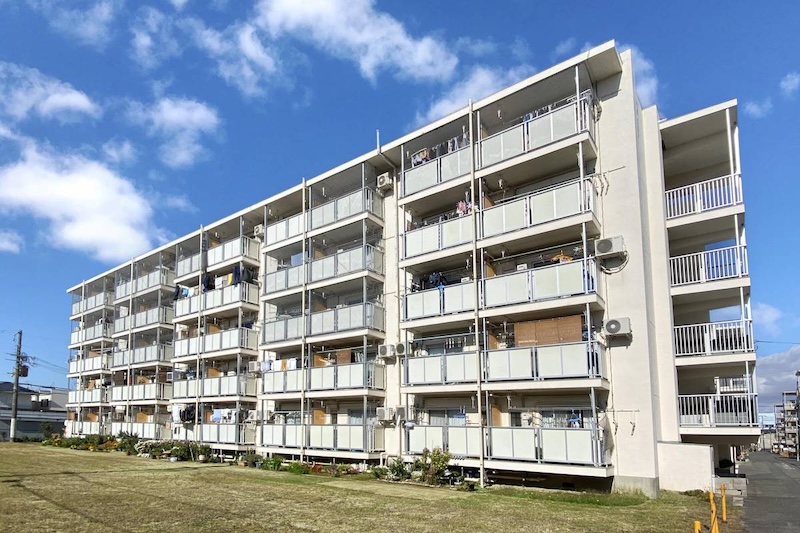
On Jan. 15, two people were stabbed in front of a rental apartment in Tokyo’s Suginami Ward allegedly by the man who lived in the apartment. The two victims were part of a ten-person group who visited the apartment after a civil court decided to evict the man after the apartment’s owner requested the court to have him forcibly removed. The 41-year-old suspect, whose name is Hiroshi Yamamoto, had been unemployed for a considerable length of time after he quit working for an IT company. Though he started collecting government assistance, the payments were stopped when local officials learned he was working part time as a delivery person. He had lived in the apartment since the fall of 2022, and eventually fell behind on his ¥55,000/month rent to the tune of almost ¥1 million. In Japan, it is difficult to evict a tenant who doesn’t want to leave, so the landlord has to file a suit and claim a “justifiable reason” for the eviction. The court in this case found in the landlord’s favor.
The ten-person group that showed up at Yamamoto’s door on the morning of the 15th included court appointed officials and representatives of a moving company that would remove Yamamoto’s belongings after he had been served with the eviction notice by a court bailiff. Somehow, Yamamoto knew they were coming and met them with what the weekly magazine Shincho described as a “black cardboard box with smoke coming out of it.” He then chased the group while wielding a kitchen knife and stabbed two of the men, one being the bailiff and the other a representative of the rental guarator company that had a contract with the tenant. It was the representative who died. After the stabbing, Yamamoto returned to the apartment and tried to set it on fire.
According to the Shincho article, in principle, the bailiff and the representative of the moving company are the only people required to carry out a court-ordered eviction. The former serves the eviction notice while the latter needs to talk to the tenant to arrange for the removal of the tenant’s belongings in order to “return the property to its original state.” However, sometimes a representative of the guarantor company comes along “to make the process smoother.”
Nevertheless, as one man who has participated in such procedures for 20 years told Shincho, there’s usually “some kind of problem” when carrying out an eviction. He himself has been threatened by a tenant with a knife. “Sometimes they’re drug addicts and other times they’re people with big debts,” said the man. “They can become quite violent.” Usually, the landlord will send multiple notices to the tenant after non-payment of rent. If no payment is made after more than 3 months, the landlord will start a civil action requesting that the tenant be evicted. A judge will usually decide the case in 6 months to a year and if the decision is in the landlord’s favor another notice is then sent to the tenant telling them when the eviction will be carried out, so the tenant knows when the bailiff will show up. If the tenant does become violent, the bailiff can call the police.
Read More Cat Foreheads & Rabbit Hutches