No place like homeless
As with last year’s impromptu tent city in Hibiya Park, this New Years saw another attempt to give the newly destitute a chance to get through the holidays in one piece, though in this case the government actually initiated the plan. The national government, that is, which let 831 homeless, jobless men stay at the National Olympics Memorial Youth Center in Sendagaya from Dec. 29 to Jan. 4, during which the tenants were supposed to receive job counseling. About a half dozen actually left with references, according to reports.
It was no skin off the nose of the facility, since it is officially closed during the holidays. And while the charitable gesture was paid for by the federal government (Prime Minister Hatoyama even showed up for a sympathetic show of commiseration), the place had to be staffed by municipal employees. After everyone was kicked out on the 4th and some were moved to other facilities, Tokyo governor Shintaro Ishihara commented that the prime minister shouldn’t have visited. “I wouldn’t have gone,” he said. Apparently, he was pissed that the government had strong-armed Tokyo into participating in what he saw as a useless and ill-advised PR gambit. Read More

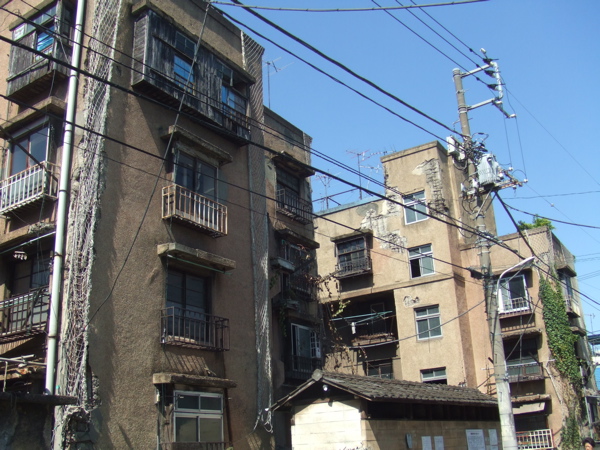 The Minowa Apartments, located in the shitamachi or old residential area of Tokyo, are currently being demolished. Built in 1928, the Minowa complex was one of 16 Dojunkai public apartment buildings constructed throughout Tokyo following the Great Kanto Earthquake of 1923. These structures were the first concrete-and-steel-bar collective housing buildings in Japan, and some historians consider them valuable cultural assets. The Minowa Apartments, for instance, survived the US firebombing of Tokyo in 1945 (though they were definitely damaged), and architects have often said they represent the best in terms of Japanese design ideas that were developed before the war.
 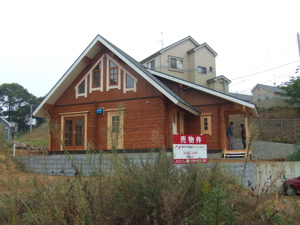 Designer homes are a luxury anywhere in the world, but in Japan they are even more so given the price of land and the cost of construction. And until not too long ago homes that were considered “distinctive,” meaning that they were obviously designed and built to the specifications of their original owners, were considered risky by bank lenders, who believed their distinction would make them difficult to resell, regardless of their quality.
  Cat Foreheads & Rabbit Hutches