Passing unnoticed

It’s a long way to the bottom

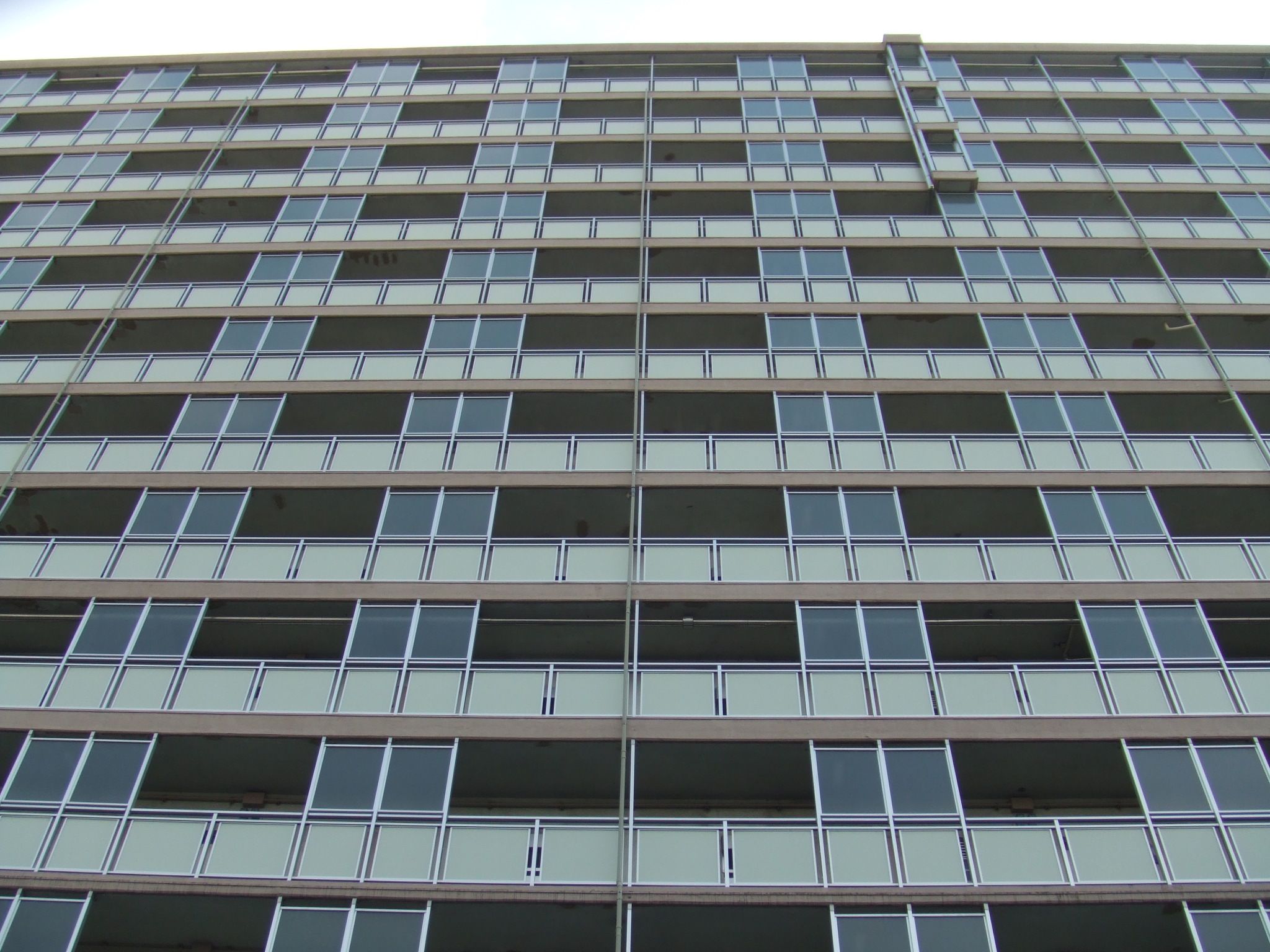
A recent article in the Mainichi Shimbun mentioned a study carried out by 98 local governments that operate public housing. In 2009, this study found, 1,191 people who lived in these public housing units died alone and in most cases their deaths were not discovered for at least several days. The vast majority of these people were over 65, about 74 percent. In addition, the Mainichi said that UR, the semi-private housing corporation attached to the national government, reported that 472 people over 65 died alone in apartments they run nationwide in 2009.

This seems to be the first time any housing entities have recorded and publicized statistics related to kodokushi (dying alone), which will become much more common as the population ages. A greater percentage of elderly people live in public housing, not just because it can be cheaper (UR rents, however, are market rates), but because private landlords usually don’t like to rent to older people who plan to live by themselves, for reasons that aren’t difficult to figure out.

Another reason why older people tend to live in public housing is that they’re already there. A lot of public apartments were built in the 60s and 70s. People moved in and had families. Their children moved out and a spouse died, thus leaving them alone.

A more troubling aspect is why these people die alone and aren’t discovered days or even weeks after they do. The vast majority tend to live in cities, and urban apartment life discourages the kind of community life that nurtures relationships. It’s difficult for older people to leave their apartments, take the elevator down, and go out to see people; and obviously it’s less likely for acquaintances to drop by the way they would if the older person lived on the ground.

UR 2010

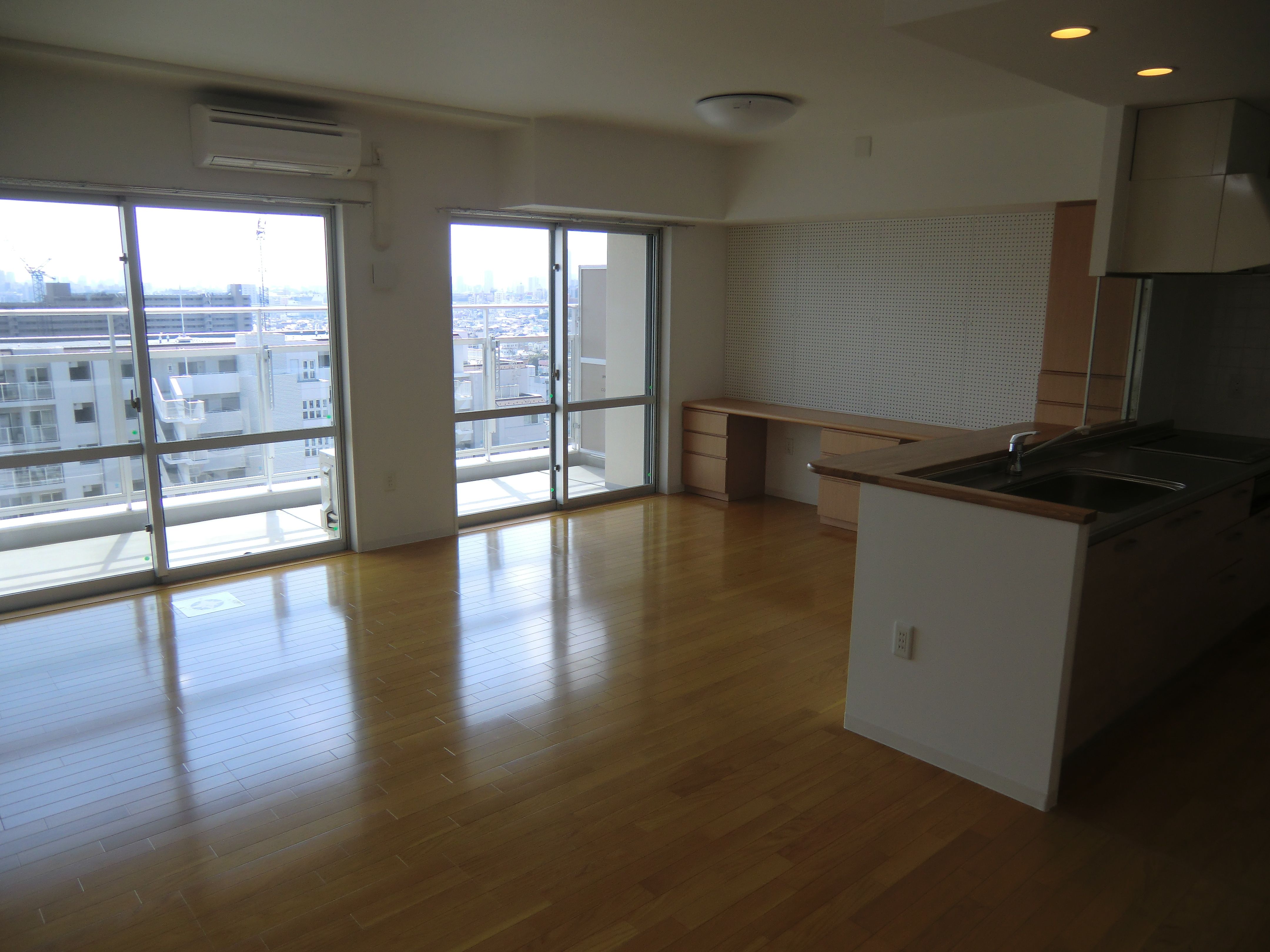
We took in the new Heart Island Shinden public housing complex a few weeks ago, which is scheduled to start accepting residents sometime in November. Heart Island Shinden is essentially a strip of land between the Arakawa and Sumida Rivers where they come the closest to each other, and though the closest stations are Oji on the Keihin Tohoku Line and Oji Shinya on the Namboku subway line, both of which are in Kita Ward, Heart Island Shinden is in Adachi Ward. It’s more than a 20-minute walk from either station, even if you move fast, so most people take a bus.

Even before the new complex was built, the area was already home to a number of apartment complexes, both private and public. In fact, it’s a veritable forest of mini-skyscrapers. The one we visited is operated by UR (Urban Renaissance), the main semi-public housing corporation in Japan. We live in a UR building that was completed in 2000, and in the decade since then we’ve often visited newer UR buildings to see what improvements they’ve made. What we’ve found is that which each new project ameninites get added but the basic problem with Japanese apartment living–namely, impractical layouts–remains, due to a habit of prioritizing 3-dimensional efficiency over baseic livability. In other words, floor plans are dictated by box-like patterns that allow developers to maximize space and fit as many units as possible given the land area and height of the building. The two wings of the HIS complex are 9 stories and 14 stories, which is about the same as the other buildings in the area, thus indicating that there is a height limit. (The building we live in is 38 stories) Read More

Last resort

The central government would like nothing better than to rid itself of its public housing organ, UR, which is actually a semi-public corporation but bleeds so much money that the government constantly has to prop it up. Recently, the government committee tasked by the new ruling party to screen budget requests by the overstuffed bureaucracy took aim at UR, and for good reason. The public housing organ has attracted all sorts of superfluous amakudari (“descent from heaven,” or offices/agencies that basically exist just to give work to retired bureaucrats) projects that should be excised posthaste. And, in fact, UR should probably be privatized, but before the government does that it should first study why UR is so popular and try to figure out a way of retaining those features through law. Read More