The lowdown on resort condos
 Some of the surest bargains on the real estate market are so-called besso manshon, or resort condos. When most people in Tokyo think of second homes or weekend homes, they think of Karuizawa or the Izu peninsula or maybe the five lakes area around Mt. Fuji, where prices tend to be uniformly expensive. The thing is, second homes almost anywhere else are quite affordable, and I often check resort-net.com, which is run by Recruit, to see what’s available, and one of the most intriguing areas is actually the Boso peninsula, meaning Chiba Prefecture. A few weeks ago on the site I found 73 properties on the Boso peninsula that were priced at less than 5 million. Though Chiba has a reputation as a bedroom region it’s got lots of hills and forests and Kujukuri sea coast is cleaner and less crowded than the stretch of beach that leads from Shonan in Kanagawa to the tip of Izu. In fact, diehard surfers say Kujukuri has the best waves on the Pacific side of Honshu. More significantly, it’s cooler than Tokyo in the summer and warmer in the winter, sometimes by as much as three degrees.
Consequently, there are a lot of second homes and resort condos on sale in seaside towns like Onjuku and Katsuura for as little as 2 million yen for about 40 square meters. These two resort towns are quaint but large enough to supply all the amenities you’d want in walking distance to wherever you happen to live. Many of the resort condos are close to the main train stations, and both towns are less than 90 minutes from central Tokyo by express. If you don’t have a car this is important, since most second homes tend to be far from central business area and train lines. Read More
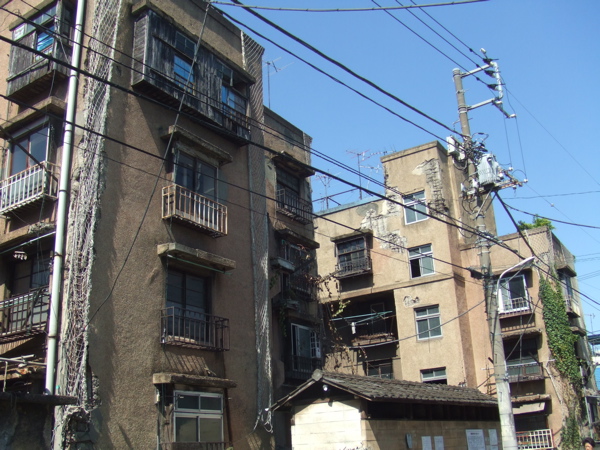 The Minowa Apartments, located in the shitamachi or old residential area of Tokyo, are currently being demolished. Built in 1928, the Minowa complex was one of 16 Dojunkai public apartment buildings constructed throughout Tokyo following the Great Kanto Earthquake of 1923. These structures were the first concrete-and-steel-bar collective housing buildings in Japan, and some historians consider them valuable cultural assets. The Minowa Apartments, for instance, survived the US firebombing of Tokyo in 1945 (though they were definitely damaged), and architects have often said they represent the best in terms of Japanese design ideas that were developed before the war.
 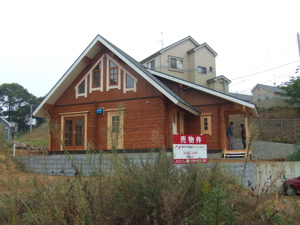 Designer homes are a luxury anywhere in the world, but in Japan they are even more so given the price of land and the cost of construction. And until not too long ago homes that were considered “distinctive,” meaning that they were obviously designed and built to the specifications of their original owners, were considered risky by bank lenders, who believed their distinction would make them difficult to resell, regardless of their quality.
  Cat Foreheads & Rabbit Hutches