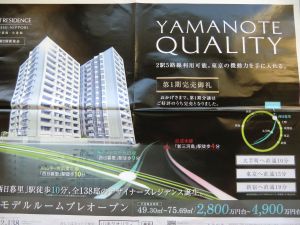
Interest drops

Think you can afford it now?

For the first time in seven years the long-term interest rate in Japan dropped below 1 percent, which should be good news for people in the housing and construction business, not to mention potential homeowners. The reason is less encouraging. Because the US economy continues to be sluggish, more people are purchasing Japanese government bonds and yen.

Consequently, the government will reduce the interest rate for Flat 35 housing loans starting in August, which are government-supported mortgages for between 21 and 35 years. Depending on how many years your mortgage is for, the interest rate will be from 2.3 to 3.2 percent, which compares to about 4.6 percent in the U.S. right now.

Though this development will certainly spur home purchases, it would be better if savings interest rates weren’t so low and salaries were rising. As it is, a lot of people just don’t have enough faith in the future to sink everything they have into a house or condominium.

Tentative tenants

The latest statistics from the Ministry of Internal Affairs and Communications confirms that the number of rental property vacancies is growing. Nationwide there are some 17.7 million rental units, of which about 4.1 million are unoccupied. That’s a vacancy rate of 23 percent.

In Tokyo things aren’t quite as bad, but they’re bad enough if you’re a landlord. The vacancy rate in the capital district is about 16 percent. The highest vacancy rate in the country is in Fukui Prefecture, where it’s a whopping 44 percent. (Fukui’s neighbor, Toyama Prefecture, is famous for having the highest percentage of home ownership in Japan).

You don’t have to be Paul Krugman to understand the reason. The population is dropping and there’s a glut of properties, but as one consultant recently told the Asahi Shimbun the statistics may have a chilling effect on investment. Lately, realtors and developers have been pushing people with money to buy rental properties as an investment since interest rates have been impossible low for more than a decade. But without the promise of tenants such investments won’t provide much in the way of returns. People with money are going to have to find something else to do with it.