Point of interest
On September 5, Sankei Shimbun ran a story that’s gotten a lot of attention. Sankei reports that the homeowning rate among Japanese people in their 20s is the highest it has ever been. The reason is the skyrocketing price of real estate in major urban regions, in particular the Tokyo metropolitan area, and an increase in interest rates for housing loans that may go even higher in the future. The idea is to buy now before properties and loans become too expensive, and now that some banks are offering 50-year loans it becomes a bit easier, at least theoretically.
The communications ministry says that the home ownership rate in 2025 among households where the head-of-household is in their 20s was 40.7 percent, the highest on record. Sankei reports that experts tend to recommend you not buy a home whose price is more than 6 times your annual income, but according to the job search magazine Recruit, in the Tokyo metropolitan area prices for new condominiums are going for 8 times the average annual income, regardless of age.
Since a good number of households with married couples in their 20s have double incomes, these couples are choosing so-called pair loans, where both spouses shoulder the debt. A 50-year loan spreads out the payments more, rendering each monthly payment lower than if the couple took out a standard 35-year loan, so if a couple takes out the loan at 25, they would finish paying it off at 75. Though this makes the montly pressure less, it also reduces the couple’s ability to save for old age, especially since the longer the payment period, the higher the interest rate.
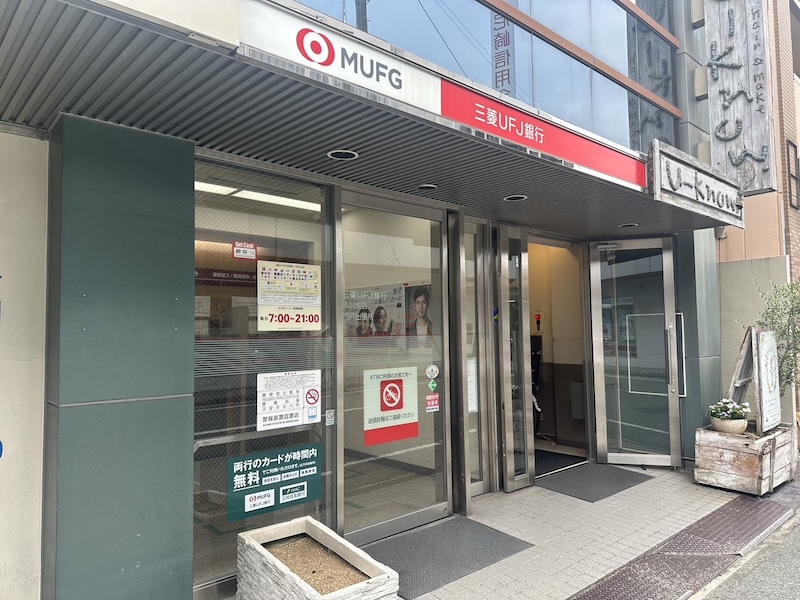
The day before the Sankei article, Asahi Shimbun went into more detail about what these young people will have to contend with by buying property so soon. The central point of the Asahi article is that the Bank of Japan, by raising its prime rate for the first time in 31 years last June, is also causing interest rates on housing loans to rise. The two megabanks, MUFG and Mitsui-Sumitomo, increased their variable interest rates for housing loans this month by about 0.25 percentage points. Asahi calculates that this rise in interest will increase monthly payments for a 35-year loan on ¥50 million by ¥20,000. Mizuho and other major banks have not announced any increase in interest rates, but probably will at some point.
Potential home buyers also have to take into consideration that the BOJ is likely to raise rates even more in the future. So right now MUFG and M-S are charging 3.375 percent interest for a standard loan, though the rate can go as low as 1.195 percent for “preferential loans,” meaning borrowers whose ability to repay the loans is easier to guarantee.
Eighty percent of borrowers choose variable interest rather than fixed interest because, initially, variable rates are lower; but, of course, they are subject to change every six months or so depending on economic circumstances, so they could easily go up.
According to a housing loan research organization, if someone borrows ¥50 million for 35 years at the variable rate, they will pay on average about ¥20,000 more in monthly payments after the BOJ increase than they did before the increase.
The organization also reports that almost all the people who choose a variable interest rate also choose to pay interest and principal at the same time and in the same monthly amounts, regardless of the current interest rate, but in doing so they tend to pay more interest in the long run. Those who choose to pay the interest first pay less interest in the long run. And those who pay both interest and principal at the same time with the interest changing based on the balance of the principal—meaning the monthly payment will not always be the same—will also pay off the interest more quickly.
Read More
